Gold Investing / Bullion & coins
How to Buy Gold Coins and Bullion: A Beginner Guide
Two words make gold buying simple: bullion and premium. Here is how to buy without overpaying.
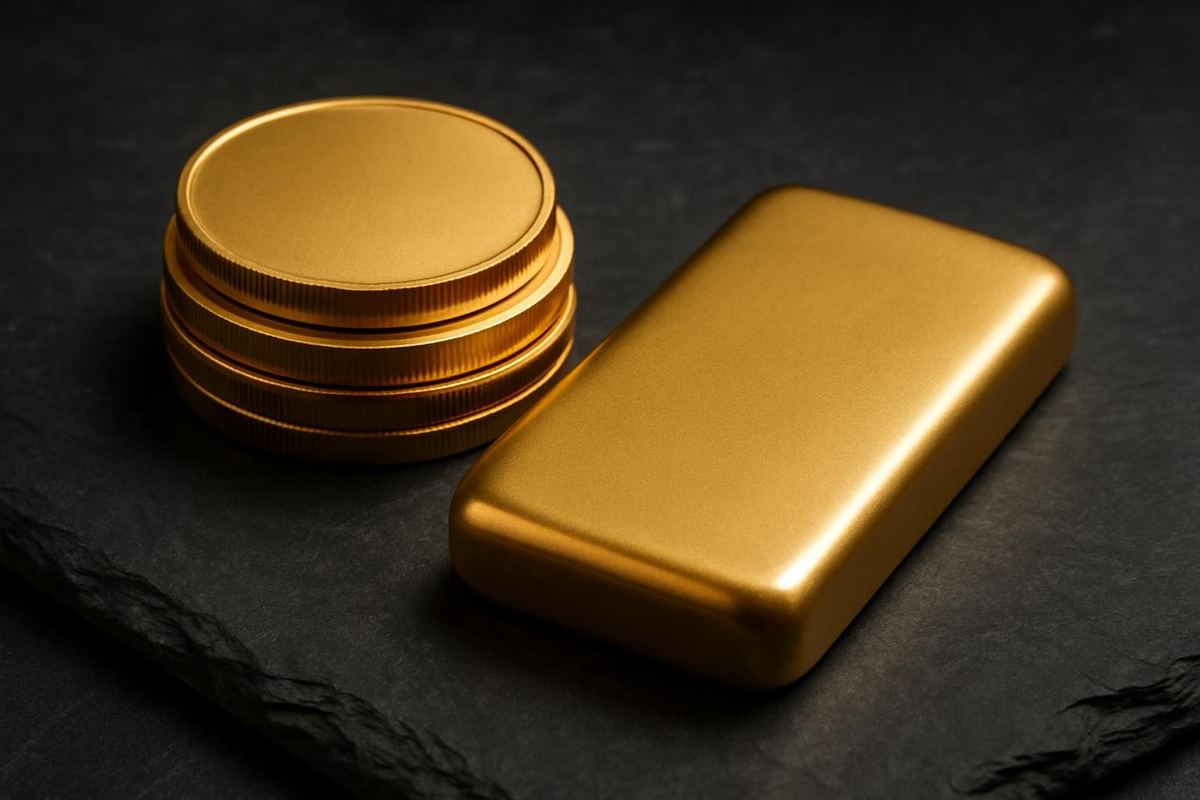
Buying physical gold is simpler than it looks once you learn two words: bullion and premium. Bullion is gold valued for its metal content. The premium is how much you pay over the current spot price of that metal. Get those right and you can buy coins and bars with confidence, whether for a Gold IRA or to hold yourself.
Bullion versus numismatic
Bullion coins and bars are priced on their gold content plus a modest premium. Numismatic coins are collector items whose price depends on rarity, grade, and history, and can run far above their metal value. For an investor who wants exposure to gold, bullion is almost always the right choice. Numismatics are a specialist hobby, and they are the favorite tool of high-pressure sellers, because the markup is hidden inside a story about rarity. If someone steers you from bullion toward "rare" graded coins, especially inside an IRA where numismatics are not even eligible, walk away.
Understanding premiums
Every coin and bar sells for spot plus a premium that covers minting, the dealer's margin, and demand. Smaller coins carry higher premiums per ounce than large bars, because they cost more to make relative to their size. Common, widely traded bullion carries lower premiums and is easier to resell than obscure products. Always compare the total price per ounce across dealers, not just the sticker, and remember you will pay a premium to buy and accept a small discount to sell.
What to buy
The most liquid choices are government-minted one-ounce bullion coins, the American Gold Eagle, the Canadian Maple Leaf, the South African Krugerrand, and the Austrian Philharmonic, along with recognized bars from well-known refiners. Sticking to common, recognizable products makes verification and resale easy. Fractional coins (half, quarter, and tenth ounce) are handy for smaller budgets but cost more per ounce.
Where and how to buy safely
- Buy from established dealers with a long track record and transparent, published pricing.
- Compare the all-in price per ounce, and confirm buyback terms before you purchase.
- For IRA metal, the custodian and depository handle storage; for personal holdings, plan for a safe deposit box or a quality home safe, and consider insurance.
- Be skeptical of cold calls, "limited mintage" urgency, and anything sold well above spot on a rarity pitch.